Estimated reading time: 9 minutes
Overview
The Laboratory of Applied Thermodynamics at Aristotle University of Thessaloniki coordinates over 50 staff members, complex testing sites, and heavy machinery. After outgrowing spreadsheets and struggling with rigid software, they needed a visual way to track capacity. Today, they’ve transformed their approach to lab resource scheduling with Ganttic, eliminating equipment booking conflicts, automating schedule updates, and giving project managers a clear view of their entire resource pool.
We recently caught up with Dimitris Katsaounis, Technical Manager at the Laboratory of Applied Thermodynamics (LAT) at the Aristotle University of Thessaloniki in Greece. If you read our previous interview with the lab, you know that running a high-level research facility requires serious coordination.
We have recently renewed our partnership with LAT and are happy to support them in their mission to reduce emissions and shape a more sustainable future for transport. This time around, we wanted to get into the specific, daily realities of lab management. We explored what their planning process actually looked like before they found the right software, and how their team uses resource scheduling to keep highly technical projects moving forward.
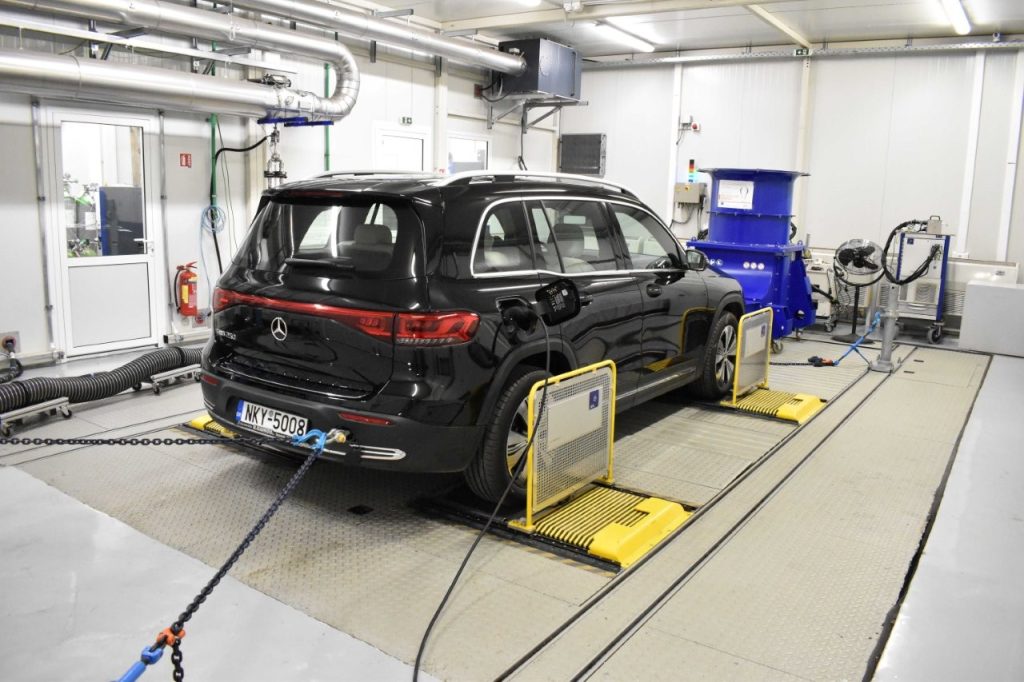
Inside the Laboratory of Applied Thermodynamics
The Laboratory of Applied Thermodynamics (LAT) is a prominent engineering facility specializing in vehicle environmental performance, energy efficiency, and alternative fuels. Their work also focuses on electrified propulsion systems, and emissions reduction.
Operating at this level means they are not just managing a standard office team. They orchestrate a complex mix of academic researchers, experienced engineers, specialized technicians, test drivers, and highly sensitive testing machinery. Keeping all these moving parts aligned requires absolute precision.
“Resource planning was impossible”
A successful testing lab rarely stays small for long. As LAT secured significant funding following the 2010 financial crisis, their facility expanded rapidly. They brought on new staff, acquired advanced testing equipment, and took on a high volume of projects.
Suddenly, the management team had to coordinate and track a large number of resources. They needed a reliable way to see who was working at which testing site or facility and what specific project they were handling. They also wanted to check which engines, vehicles or measurement equipment were in use. Before adopting dedicated software, this was a massive blind spot.
“For example, a customer asks for testing, and they want to do it by July,” Dimitris explained.
They want to know if this is possible. But without a proper system in place, resource planning was impossible. In our industry, we also have to communicate with our team regarding whether the equipment needs maintenance or repair after they are done. So it is not only a matter of who is available for us, but also what is available.
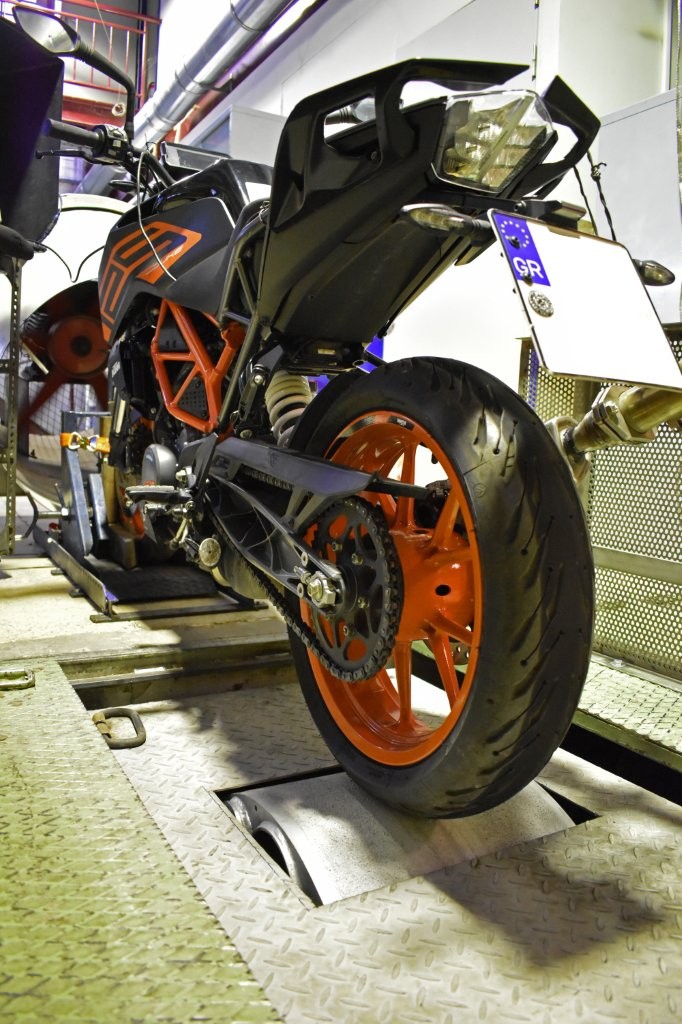
This is exactly where standard project management software falls apart for research facilities. Most tools only track human task assignments. Ganttic solves this by supporting a mixed resource portfolio. So, lab managers can schedule both their human workforce and their physical machinery in the exact same timeline.
By using Custom Data Fields, teams such as LAT can also tag equipment with its current status. A manager can look at the timeline and instantly see if a machine is ready for testing or if it has been flagged for mandatory repair and cleaning.
Find out how Ganttic can help engineering teams: Engineering resource planning software
Lab resource scheduling: clarity through simplicity vs. complicated processes
A complicated procedure always causes mistakes.
The team initially tried to manage the chaos with spreadsheets, only to realize that it was no longer sufficient. Spreadsheets are not designed for collaborative, real-time resource planning, making the file incredibly difficult to share and update.
Eventually, they adopted a web-based scheduling tool, also used by a lab spin-off company. It worked for some time, but the interface was complicated and lacked a mobile app. The biggest bottleneck was the inability to modify plans easily. In a testing environment, schedules change constantly as equipment fails and customers push with new requests. Unexpected difficulties always rise during research activities.

“The most difficult issue for me was to modify a plan,” Dimitris noted. “If the project was cancelled or a new project came, I had to move the plan back and forth. That was taking lots of time. A complicated procedure always causes mistakes.“
Ganttic’s resource-based pricing: Transparency and simplicity wins the evaluation
When a staff member from the LAT team screened the market and narrowed the scheduling options down to a shortlist of three platforms, the management team evaluated them based on two strict parameters: predictable pricing and user adoption.
Pricing was a major hurdle because many software providers charged per user. For a growing lab with over 50 people, paying for individual licenses quickly exceeded their budget.
On the other hand, Ganttic offered a clear pricing model. It was based on the number of resources being scheduled, which made financial planning much easier.
One of the criteria for the team was that the tool had to be easy to use. Highly skilled technical staff naturally dislike heavy administrative work. If a tool requires too much time to learn, they simply stop logging in.
I wanted it to be user friendly and easy,” Dimitris said. “Technicians, engineers, and secretaries are not fans of such software! They don’t want to lose time. In the beginning they ask questions, but then they stop using it and their attention is gone. So I wanted it to be simple to use, providing clarity into our workflow, with a nice interface, and also with a mobile app to access the plan everywhere.
From the perspective of a lab manager who needs to create projects, add tasks, and shift timelines without friction, Ganttic checked all the boxes.
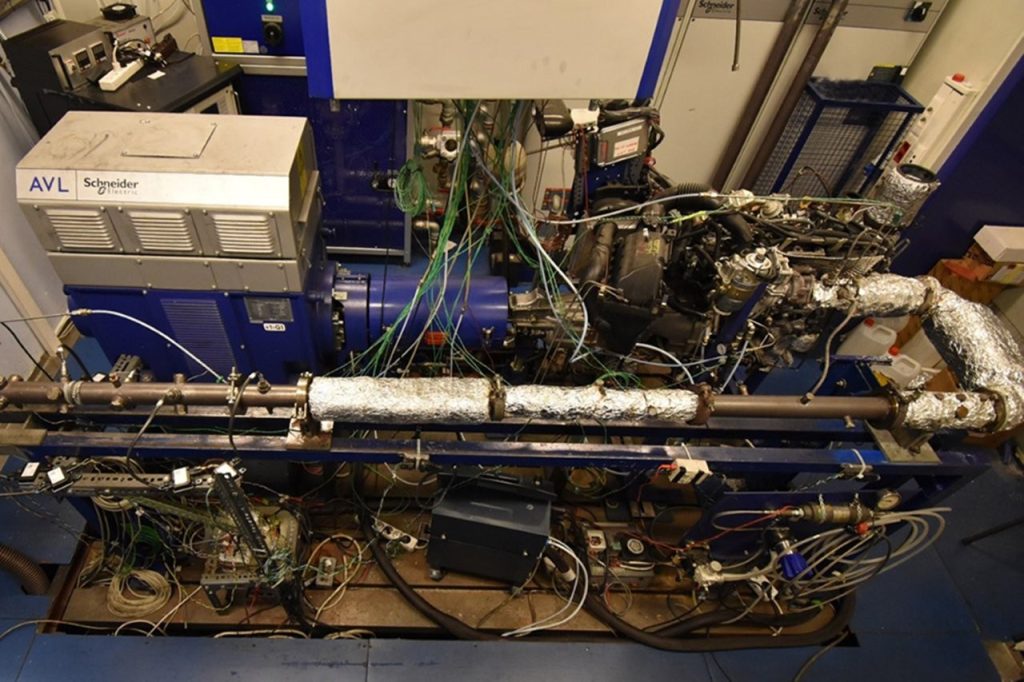
Lab resource scheduling at its best: automating handovers and eliminating email loops with notifications
After the team switched to Ganttic, one of the most significant improvements has been in daily team communication.
Lab machinery requires thorough cleaning and maintenance between projects. You are responsible for the machine while you use it, and you must notify the next person in line if there is a problem.
Visibility is critical for these handovers. For example, if one colleague is using an instrument on Monday and Tuesday, they must hand it over to another colleague on Thursday. If the first colleague finishes their testing early on Tuesday, they can update the schedule. They can also let the next person know the machine is free.
Dimitris says, “When everyone comes to work, they know exactly what they will be working on, for which project, with which colleague, with which equipment. It helps communication between me and the team.”
Top features: The LAT Team’s favorites
Today, the lab uses Ganttic to track both their human workforce, testing sites and their physical equipment. Most of the staff actively use the software daily. This is particularly true for project managers who need to allocate drivers, engineers, and machinery.
- Resource View: From the planner’s side, the Resource View tab is essential. It provides a quick overview of testing times, equipment availability, and daily assignments.
When superiors or clients ask if the lab has the capacity to take on a new project for September, Dimitris no longer has to check the countless spreadsheets. He doesn’t get caught in email loops or try to reach out to every single team member. He doesn’t rely on guesswork. On the Ganttic Planner, he can select the dates the client is asking for. He can check if the equipment and people are available, and confidently say yes or no.
- Utilization Chart: The lab also relies heavily on the Utilization Chart. This resource management feature allows the management team to see exactly how much a resource is being used over a given period. This feature also helps in recognizing the need for hiring additional personnel or obtaining more equipment.
They can spot overbooking instantly and see if specific equipment is available in the future. So, they can resolve conflicts before they delay a client’s testing schedule.
- Notifications: If a customer asks for more testing and causes a delay, the schedule is updated instantly. Automated notifications play a massive role in managing these shifts. They ensure everyone is immediately aware of changes to their testing parameters.
Dimitris shared a story about moving a project timeline that affected multiple testing days and different projects and tasks. Within minutes, three colleagues walked into his office together because they had just received the automated alerts at the right time with the relevant information. While it sparked a lively discussion about who needed which instrument and when, the system worked exactly as intended.
A better way to manage research and testing facilities
After a short learning curve, the lab has created a visual, highly adaptable planning ecosystem. By moving away from rigid spreadsheets and adopting a visual capacity planning platform, the Laboratory of Applied Thermodynamics built a transparent workflow that keeps their vital research running smoothly.
They have streamlined the logistics of engine testing and vehicle research. As a result, the LAT team spends less time fighting with spreadsheets and more time engineering the sustainable transport solutions of tomorrow.
We are proud to partner with a team that is actively shaping the future of mobility. We remain dedicated to providing the tools that help their research thrive.
Precision in the lab begins with precision in the planner.